Author profile

Oliver Reed

Home Broadband Researcher

Technical research lead for UK home connectivity, focusing on real-world speed testing, hardware optimisation, and helping multi-user households find the right data capacity.

About Oliver Reed

Oliver Reed focuses on the technical and practical aspects of UK home connectivity. From verifying local Full Fibre availability to troubleshooting router performance, his research helps readers bridge the gap between "advertised speeds" and real-world performance. He is passionate about helping users find the right package for multi-user households and data-heavy activities. Decoding the technicalities of UK broadband availability and hardware setup to help readers understand the difference between advertised speeds and real-world performance.

Oliver Reed is an editorial persona for BroadbandIN. This profile represents the collective expertise and rigorous testing standards of our UK home broadband research team.

Articles by Oliver Reed

Read practical UK broadband guides, package explainers and comparison tips.

View all resources
Articles

How to Check Whether Full Fibre Has Reached Your Address

Full fibre is rolling out across the UK, but it reaches homes street by street, so the only reliable way to know your options is to check for your specific address. This guide explains why availability varies so precisely, the dependable ways to confirm whether full fibre has reached your home, and how to interpret what you find.

By Oliver Reed — Home Broadband Researcher

6 min
Guides

What Is Full Fibre (FTTP) and How Does It Differ?

Full fibre, or FTTP, runs an optical fibre line all the way to your home, while part-fibre broadband uses fibre to a street cabinet and copper for the final stretch. This guide explains the difference in plain terms, why it affects speed and reliability, how to tell which you have, and what it means when choosing a broadband connection.

By Oliver Reed — Home Broadband Researcher

6 min
Articles

FTTP vs FTTC vs ADSL: What It Means for Your Speed

Your broadband connection type, whether FTTP, FTTC or ADSL, has a major effect on the speeds available at your home, often more than the plan you choose. This guide explains how each type works, why they differ in capability, how to find out which you have, and what your connection type means for the speeds you can realistically expect.

By Oliver Reed — Home Broadband Researcher

6 min
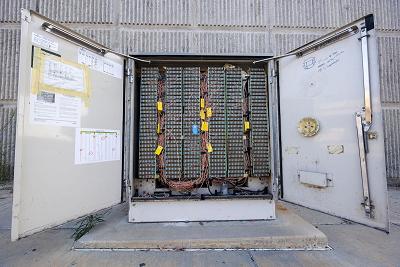
Open outdoor telephone junction box showing internal wiring and connectors.
Guides

Copper Switch-Off: What Openreach Stop-Sell Means for You

As full fibre expands, the old copper network is being wound down, and a process called stop-sell affects what broadband you can order in many areas. This guide explains what stop-sell means, why it is happening, how it affects new and existing connections, and what to check, so the move away from copper is clear rather than worrying.

By Oliver Reed — Home Broadband Researcher

6 min
Landscape view of the countryside in Conwy, Wales, featuring hills and greenery.
Guides

Rural, Wireless and Alternative Broadband Connections

For homes where standard fixed-line broadband is limited, rural, wireless and alternative connections offer other ways to get online, from full-fibre rollouts and funding schemes to fixed wireless, mobile and satellite. This overview pulls together the options and support available for hard-to-reach areas, so you can see the bigger picture before exploring each in more detail.

By Oliver Reed — Home Broadband Researcher

5 min
Close-up of hands holding darts symbolising opportunities and choices.
Articles

Out-of-Contract Broadband: Why Staying Put Can Cost More

When a broadband contract ends, you often move onto an out-of-contract price that can be higher than what you were paying or what new customers are offered. This guide explains what out-of-contract means, why it can cost more, how to tell if you are affected, and the practical steps to take so you are not paying more than you need to.

By Oliver Reed — Home Broadband Researcher

6 min

Loading…

No direct link