
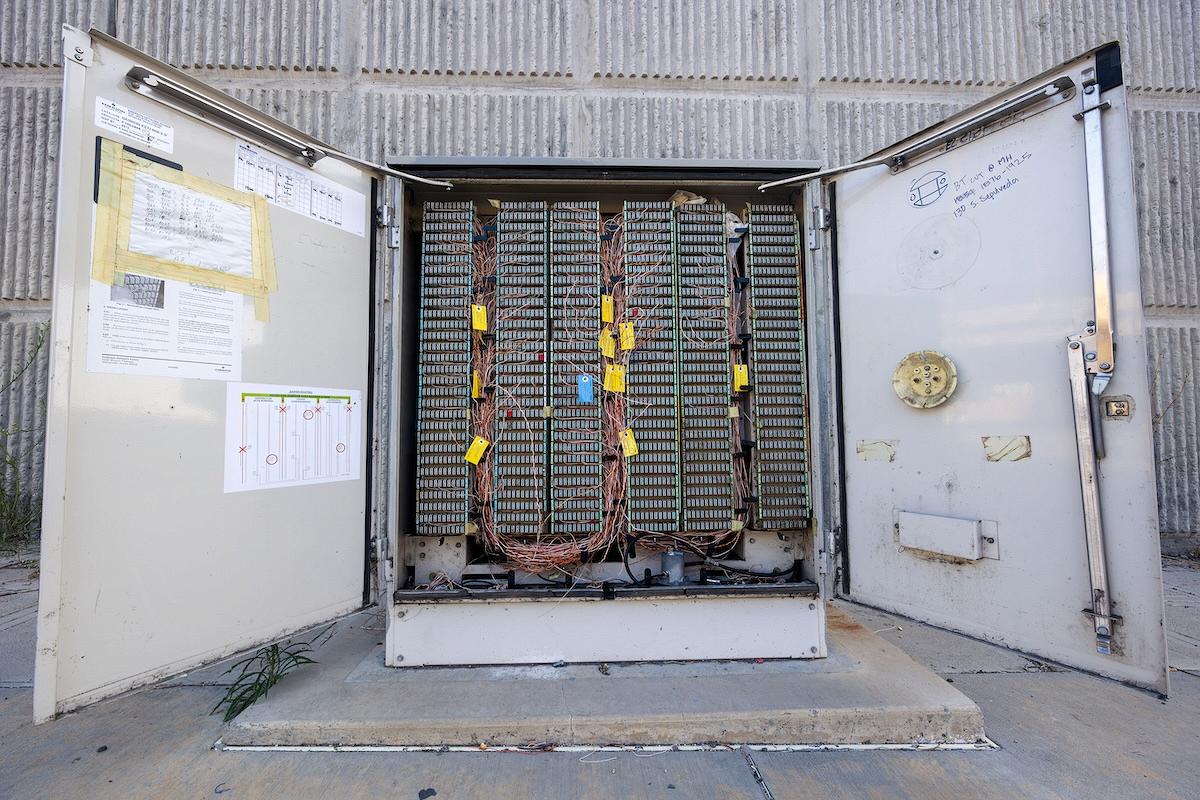
As full-fibre broadband expands across the UK, the old copper-based network is gradually being wound down, and a process known as stop-sell is part of how that happens. In areas where full fibre, also called fibre to the premises (FTTP), has reached a high level of coverage, the network operator stops selling new copper-based broadband and phone products, so new orders move to full fibre instead. In short, once stop-sell applies to an area, copper-based services are no longer available to order there, and full fibre becomes the path forward.
The short answer for households is that stop-sell mainly affects what you can newly order or change, rather than instantly cutting off an existing service. If full fibre is available where you live and stop-sell applies, new connections and many changes will be on full fibre, which is part of the broader retirement of the copper network.
This guide explains what stop-sell means, why it is happening, how it affects new and existing connections, and what to check. Because the process is managed by the network operator and providers and varies by area, confirm what applies to your address with your provider.
What does stop-sell mean?
Stop-sell is a stage in the move away from copper. When an area reaches a high level of full-fibre coverage, the network operator stops selling new copper-based broadband and phone products in that area. From that point, new orders and many changes to a service are placed on full fibre rather than the older copper-based technologies.
This means that in stop-sell areas, copper-based options such as older part-fibre and analogue-style services are no longer available to order. The intention is to move customers onto full fibre as it becomes widely available, which supports the eventual retirement of the copper network. It is a managed, area-by-area process tied to full-fibre coverage.
For most people, stop-sell becomes relevant when they try to order a new connection, switch provider, or change their plan, since those actions trigger the move to full fibre where stop-sell applies. It is part of the wider transition away from copper rather than a standalone event.
Why is the copper network being switched off?
The broad reason is that full fibre is a more capable and modern technology than the copper-based connections it replaces, and maintaining two parallel networks indefinitely is inefficient. As full fibre reaches more homes, winding down the copper network consolidates the infrastructure around the newer technology.
Full fibre runs an optical fibre directly to the home, supporting higher and more consistent speeds than copper-based connections. Moving customers onto it, and retiring copper over time, aligns the network with rising demand and the long-term direction of UK broadband. The copper switch-off is the gradual end of the older network as this transition completes.
For households, the change is generally aimed at moving everyone onto full fibre where it is available. Stop-sell is one of the steps that drives this, by ensuring new orders go onto fibre rather than extending the life of copper-based services.
How does it affect new and existing connections?
The effect depends on whether you are ordering or changing a service or simply keeping your current one. The table below summarises the main situations.
| Situation | What stop-sell means |
|---|---|
| Ordering a new connection | New orders move to full fibre where it applies |
| Switching provider | The new service is typically on full fibre |
| Changing your plan | Changes may move you onto full fibre |
| Keeping your current service | Existing service continues until later migration |
The table shows that stop-sell mainly affects new orders and changes, moving them onto full fibre, while an existing copper-based service generally continues for now until the wider switch-off migrates it later. This means you are most likely to encounter stop-sell when you take an action like switching or upgrading.
Because full fibre is the path forward in stop-sell areas, it is worth understanding that a change you make may move you onto fibre, which can also mean new equipment and a different installation. Your provider can explain what a change would involve for your address.
What should you check?
A few practical checks help. If you are considering ordering, switching or changing your broadband, ask your provider whether full fibre is available at your address and whether stop-sell applies, since that shapes your options. Confirm what moving to full fibre would involve, including any installation and equipment changes.
If you have other services or devices that rely on the old copper line, such as some alarm or telecare equipment, check whether they will work with full fibre and digital voice, since the copper switch-off relates to the broader move away from analogue services. Planning for these avoids surprises when a change happens.
Because stop-sell and full-fibre availability vary by area and are managed by the network operator and providers, the dependable approach is to confirm what applies to your address with your provider. They can tell you your current options and what the move to full fibre would mean for your home.
Frequently asked questions
Will stop-sell cut off my current broadband?
Generally not immediately. Stop-sell mainly affects new orders and changes, moving them onto full fibre, while an existing copper-based service usually continues for now until the wider switch-off migrates it later. Confirm your situation with your provider.
What happens if I switch provider in a stop-sell area?
In a stop-sell area, a new service from switching is typically placed on full fibre rather than copper-based technology, since copper products are no longer sold there. This may involve a full-fibre installation and new equipment, which your provider can explain.
Does stop-sell mean I have to get full fibre?
In stop-sell areas, new orders and many changes move to full fibre because copper-based products are no longer available to order. An existing service may continue for now, but the broader switch-off means a move to full fibre over time. Check the details with your provider.
How do I know if stop-sell applies to my address?
Stop-sell is applied area by area as full-fibre coverage grows, and it is managed by the network operator and providers. Confirm whether it applies to your address, and whether full fibre is available, with your provider before ordering or changing a service.
Conclusion
As full fibre expands, the copper network is being wound down, and stop-sell is part of that process: in areas with high full-fibre coverage, the network operator stops selling new copper-based products, so new orders and many changes move to full fibre. Existing services generally continue for now until later migration. The change supports the long-term move onto full fibre and the eventual retirement of copper. Because stop-sell and availability vary by area and are managed by the network operator and providers, confirm what applies to your address with your provider.