
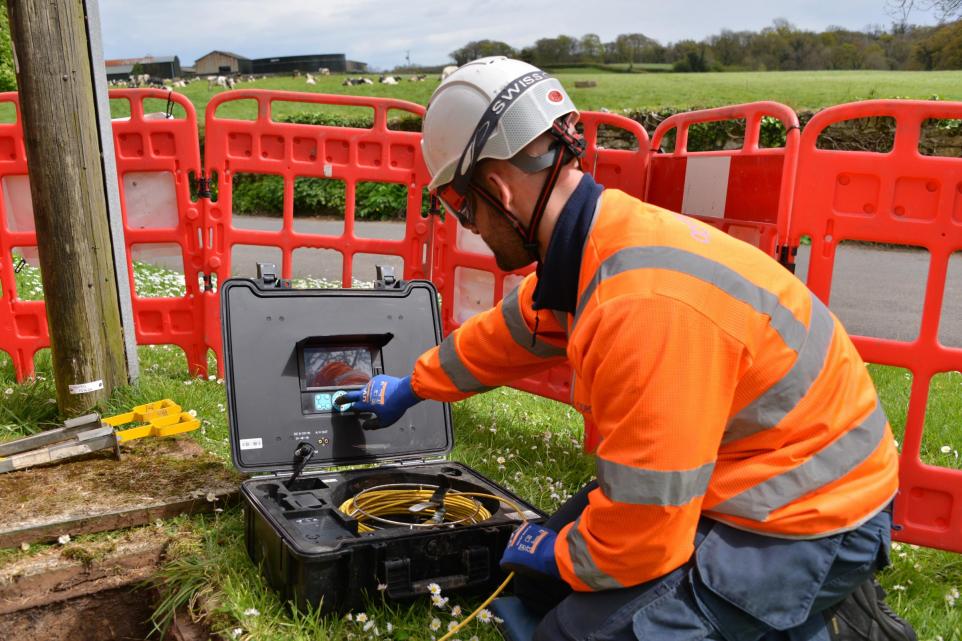
In recent years, Scotland has witnessed significant improvements in internet connectivity, driven by a combination of public investment, broadband provider rollouts, and national and UK-level digital inclusion initiatives. As broadband technology has shifted toward ultrafast fibre and higher-capacity mobile networks, communities across Scotland—urban, rural, and remote alike—are gradually gaining access to faster, more reliable internet. This progress is reshaping how people live, work, learn, and engage with online services, and it reflects broader efforts to ensure that digital infrastructure keeps pace with modern expectations.
The Importance of Digital Connectivity in the Modern Age
Broadband internet is no longer an optional service. It is essential infrastructure that enables work, education, healthcare access, social engagement, commerce, and entertainment. Faster broadband supports remote working, online learning, telemedicine, and streaming, while poor connectivity can isolate communities and widen economic gaps.
Scotland’s geography, with its sparsely populated rural and island communities, presents unique challenges. Rolling out high-speed internet across cities like Glasgow and Edinburgh is relatively straightforward, but delivering the same quality of service to areas in the Highlands, Outer Hebrides, Orkney and Shetland requires greater investment, coordination, and innovative delivery strategies.
Key Broadband Access Metrics in Scotland
Recent data shows clear improvements in broadband access across Scotland:
- According to industry research, as of late 2025, approximately 89.33% of premises in Scotland have access to gigabit-capable broadband, with 81.32% able to connect via full fibre (FTTP) networks.
- Ofcom’s coverage reports indicate that as of mid-2025, over 71% of residential premises in Scotland have access to full-fibre services—an increase of nine percentage points from the previous year. Additionally, over 81% of homes now have access to gigabit-capable broadband networks.
- While high-speed access is growing, there remains a coverage gap between urban and rural areas. Rural regions often lag behind in terms of superfast and gigabit-capable broadband, though the gap is narrowing over time.
These statistics paint a picture of a landscape in transition: one in which fast broadband is increasingly accessible, but disparities remain that policymakers and providers continue to address.
Broadband Coverage Trends in Scotland vs. UK Averages
To put Scotland’s progress in context, it’s helpful to compare with broader UK trends:
| Metric | Scotland | United Kingdom (Overall) |
|---|---|---|
| Full-fibre availability (2025) | ~81% (or ~71% by some measures) | ~62% |
| Gigabit-capable broadband | ~89% | Increasing steadily; ~62% UK average |
| Urban superfast access | ~99% | ~99% UK-wide |
| Rural superfast access | ~79–83% | Lower than urban areas; improving nationally |
These figures show that Scotland is broadly aligned with UK fibre deployment trends, though rural coverage remains lower than in urban areas and some other parts of the UK.
Major Broadband Expansion Programmes in Scotland
R100 Scottish Broadband Voucher Scheme
The R100 programme (Reaching 100%) is a Scottish Government-led initiative designed to deliver faster broadband access to every home and business in Scotland. It provides vouchers that subsidise broadband deployment in harder-to-reach areas that might not otherwise be commercially viable for providers.
As part of this programme, thousands of premises have seen gigabit-capable broadband rolled out, particularly in rural and island communities. In the Orkney Islands, for example, coverage increased from just 1% in 2021 to 18% by 2025. Superfast broadband availability in island authorities ranged from 78–99% as of early 2025.
Project Gigabit (UK Government)
Alongside Scottish Government efforts, the UK Government’s Project Gigabit supports broadband expansion in hard-to-reach areas across Scotland. In 2025, around 65,000 homes and businesses in remote locations—including the Highlands, Outer Hebrides, Islay, Skye and Tiree—were set to gain access to gigabit-capable broadband under a £157 million contract with Openreach (BT).
This partnership highlights the importance of collaboration between different levels of government and private providers to bridge the digital divide.
Mobile Connectivity and Broadband Complementarity
While fixed broadband is essential, mobile internet improvements also play a key role in connectivity—especially in rural areas where laying physical networks may be more difficult.
Ofcom data shows that although 4G coverage remains lower in rural areas compared to urban Scotland, it is increasing faster in rural regions and now reaches a majority of residents. In 2025, coverage by at least one mobile network operator in rural areas stood at around 89%, compared to 99% in urban areas.
Mobile connectivity complements fixed broadband by providing alternative access for remote users, supporting mobile working, navigation, emergency services, and real-time communication.
What Faster Internet Means for Scottish Communities
Economic and Social Benefits
Greater broadband coverage delivers transformative benefits:
- Economic opportunities through online business and entrepreneurship
- Education and remote learning for rural and remote students
- Healthcare access via telehealth and online services
- Social inclusion through communication, entertainment, and community engagement
Improved Services for Rural Areas
For rural Scotland, better connectivity enables:
- Smart farming and agricultural technology
- Online business growth and market access
- Reduced isolation for remote communities
Programmes like R100 and Project Gigabit are especially impactful in these regions, where commercial fibre deployments would otherwise be slow.
Rural vs Urban Broadband: The Ongoing Divide
Despite progress, digital disparity remains between urban and rural regions:
- Rural areas still have lower access to superfast and gigabit-capable broadband
- Some remote communities continue to face reliability and speed challenges
Targeted funding, voucher schemes, and partnerships with alternative network providers are helping to close these gaps, though geography and population density remain obstacles.
Challenges to Complete Nationwide Coverage
1. Geographic Barriers
Scotland’s mountains, islands, and sparsely populated regions make broadband deployment more expensive and technically complex.
2. Economic Viability
Lower population density reduces return on investment for providers, requiring subsidies and incentives to encourage rollout.
3. Continued Infrastructure Upgrades
Legacy copper networks are being phased out in favour of future-proof full-fibre and 5G infrastructure—a process that takes time and sustained investment.
Looking Ahead: What the Future Holds
The outlook for Scotland’s broadband landscape remains positive:
- Full-fibre coverage is projected to exceed 90% by the end of the decade
- Public investment and collaborative delivery will continue to improve underserved regions
For consumers and businesses, this means more choice, greater reliability, and a more digitally inclusive Scotland.
Conclusion
The expansion of internet connectivity across Scotland reflects meaningful progress supported by government programmes and provider investment. While rural and island regions still face challenges, continued rollout of ultrafast broadband is steadily improving access.
As these initiatives mature, Scotland’s digital infrastructure will play an increasingly central role in economic opportunity, social connection, and quality of life for communities nationwide.